Engineering Autonomous Aviation Systems
UASA designs and develops long-range, heavy-lift unmanned aircraft and integrated systems using a certification-first, systems-engineering approach.

Engineering Philosophy

Core Approach
UASA applies a structured systems-engineering methodology to ensure that aircraft, software, and operational systems are developed as a unified architecture.
Engineering decisions are driven by safety, certification alignment, and long-term operational reliability.
Principles
- Safety is sovereign
Safety defines all design, operational, and deployment decisions. - Certification precedes commercialization
Systems must achieve certification-level validation before operational deployment. - Systems must be integrated, not assembled
All components are designed as a cohesive system architecture.
System Architecture
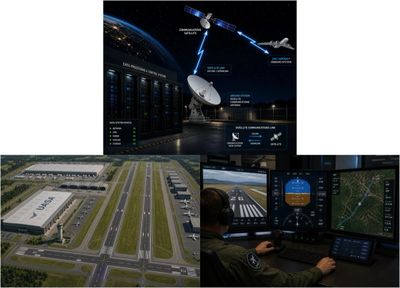
Core Approach
UASA develops integrated Unmanned Aerial Systems (UAS) composed of:
Aircraft Platforms (UAV)s
- Long-range, heavy-lift design
- Structural and aerodynamic optimization
- Payload and mission flexibility
Command, Control, and Communications (C3)
- Secure data links
- Real-time system monitoring
- Operational control frameworks
Ground Systems
- Mission planning and control interfaces
- Maintenance and diagnostics
- System monitoring infrastructure
Software & Autonomy Layer
- Flight control systems
- AI/ML-enabled decision support
- Simulation and modeling environments
AI, Software, and Modeling
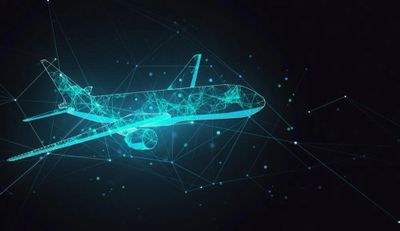
Core Approach
UASA develops software-defined systems that enable autonomy, system optimization, and continuous learning.
Capabilities
- Flight performance modeling across UAV configurations
- Simulation environments for validation and testing
- AI/ML integration for operational optimization
- Data collection and telemetry analysis
- Control system development and integration
Materials & Structures
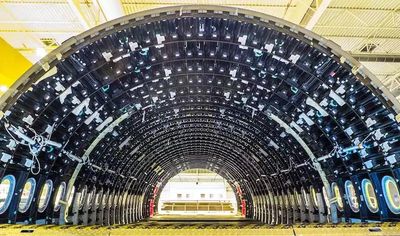
Core Approach
UASA leverages advanced materials and structural design to support long-range, heavy-lift operations.
Focus Areas:
- Carbon fiber composite structures
- Weight optimization
- Structural durability and fatigue resistance
- Scalable manufacturing approaches
Systems Integration
UASA integrates all engineering domains into a unified system:
- Aircraft
- Software
- C3
- Ground systems
This integration ensures:
- Operational consistency
- Reduced system risk
- Scalable deployment
Applied Engineering Services
UASA applies its engineering capabilities to external programs.
Engagement Areas
- Autonomous systems development
- Flight modeling and simulation
- Software and AI integration
- Certification-aligned design
Select engagements only.